


As digital payments deepen their reach across India, regulators, courts and enforcement agencies are increasingly confronting an uncomfortable reality: while financial fraud is rising at unprecedented speed, the systems meant to prevent or reverse those losses are still learning to keep pace. A recent intervention by the Reserve Bank of India (RBI) has brought renewed focus to the gaps and the quiet attempts underway to close them.
A Digital Boom Meets a Parallel Rise in Fraud
India’s rapid shift into a digital economy has become one of the world’s most expansive transitions. More than 86 percent of households now have internet access, and everyday tasks from bill payments to government applications have migrated almost entirely online. But with this convenience has come an undercurrent of anxiety.
According to the National Cyber Crime Reporting Portal, reported losses reached ₹36.45 lakh cases as of February 2025, a number officials believe captures only a fraction of the true scale. Fraudsters have broadened their methods: phishing links, hacked accounts, fraudulent investment schemes, QR-code traps, and AI-powered impersonation tools that can clone voices within minutes.
Experts tracking these trends say many of these operations are no longer isolated crimes. Some are linked to organised networks in Southeast Asia, where scam factories deploy Indian-language callers, payment mules, and crypto-based laundering systems. As the threat landscape widens, citizens are increasingly caught between sophisticated deception and limited avenues for recovery.
RBI Signals a Shift From Awareness to Active Recovery
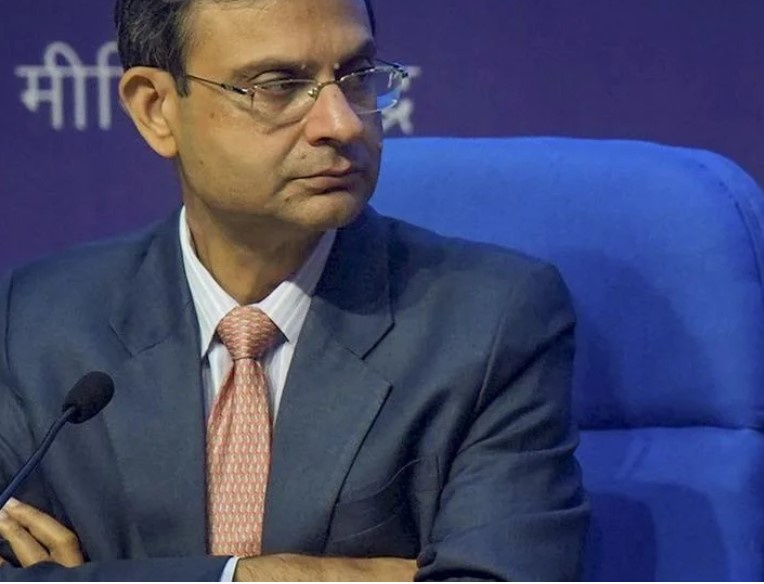
Against this backdrop, RBI Governor Sanjay Malhotra used a post–Monetary Policy Committee press conference to address a question on rising digital fraud. His answer marked a subtle but significant shift. The central bank, he said, is not only focused on preventing fraud but is now working on mechanisms to recover money once it is stolen.
Calling digital fraud a “serious and relevant issue,” Malhotra acknowledged the limits of existing systems. “Once such frauds happen, we often see minimal recovery,” he admitted. But he added that the RBI, in coordination with banks, the Ministry of Home Affairs, and law enforcement agencies, is examining new pathways that could make recovery more structured and responsive
His remarks reflect a growing recognition: that citizen advisories and awareness drives however necessary cannot be the only line of defence in a financial ecosystem where cybercrime has become systemic.
Courts Begin Defining Rules for Freezing and Recovering Funds
Judicial intervention is now shaping how banks and investigative agencies respond after a fraud is reported. In a series of rulings, the Bombay High Court has clarified the limits of freezing bank accounts suspected of receiving illegal funds.
The court held that agencies cannot freeze an entire bank account when only a portion of the balance is disputed. Instead, only the suspected amount may be blocked, and any further action such as attaching property linked to the funds must be approved by a magistrate. The bench also noted that banks have occasionally frozen full accounts without proper instructions, causing hardship to innocent customers.
Crucially, the rulings clarified that agencies cannot use the provisions of the Bharatiya Nagarik Suraksha Sanhita (BNSS) to impose blanket debit freezes. The judgments open a door for affected customers to seek compensation for wrongful account blocking, revealing the extent to which both banks and investigators are still navigating the legal architecture of digital fraud.
These judicial guidelines have added a new layer of accountability one that influences how quickly and effectively stolen funds can be traced or restored


comments


Other categories
Recent Comments