

A cancer-fighting immune therapy helped aging guts repair themselves and stay healthier for a year.
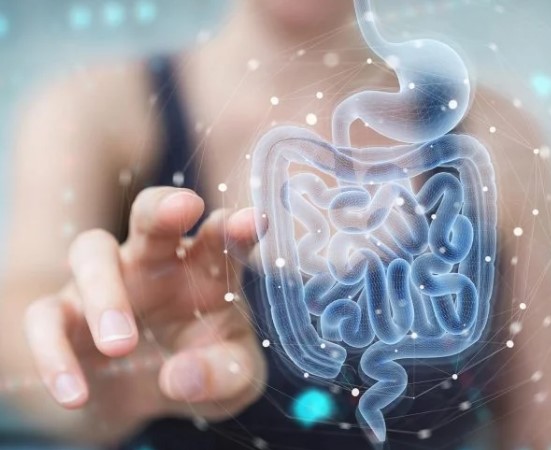
Many people find that foods they once enjoyed become harder to digest as they get older. One reason may be damage to the intestinal epithelium, the thin, single layer of cells that lines the intestine. This lining is essential for digestion and overall gut function.
Under healthy conditions, the intestinal epithelium fully renews itself every three to five days. Aging and exposure to cancer radiation can interfere with this process, slowing or even halting regeneration. When renewal breaks down, inflammation can increase, and disorders such as leaky gut syndrome may follow.
A New Strategy to Repair the Aging Intestine
Researchers at Cold Spring Harbor Laboratory (CSHL) have now developed a new method to stimulate healing and cell growth in the intestine. Their approach uses CAR T-cell therapy, a form of immunotherapy that has gained attention for its success in cancer treatment. The scientists believe this strategy could eventually support clinical trials aimed at improving gut health in people affected by age-related intestinal decline.
Clearing Senescent Cells Linked to Aging Disease
The new findings build on earlier work by CSHL Assistant Professor Corina Amor Vegas, whose research focuses on cellular senescence. As people age, senescent cells accumulate throughout the body. These cells no longer divide, yet they also do not die, allowing them to linger and disrupt normal tissue function. Senescent cells have been connected to many age-related illnesses, including diabetes and dementia.
In previous studies, Amor Vegas and her team created specialized immune cells known as anti-uPAR CAR T cells that selectively removed senescent cells in mice, leading to major improvements in metabolic health.
Testing Immune Therapy in Young and Old Mice
The researchers next explored whether eliminating senescent cells could help restore the intestine’s ability to heal. Amor Vegas collaborated with CSHL Assistant Professor Semir Beyaz and graduate student Onur Eskiocak to test the idea. The team delivered CAR T cells directly into the intestines of both young and older mice. The results were consistent across ages.
“In both cases, we see really significant improvements,” Amor Vegas says. “They’re able to absorb nutrients better. They have much less inflammation. When irritated or injured, their epithelial lining is able to regenerate and heal much faster.”
Improved Recovery After Radiation Damage
Leaky gut syndrome often affects cancer patients receiving pelvic or abdominal radiation therapy. To recreate this damage, the researchers exposed mice to radiation that injured their intestinal epithelial cells. Mice treated with CAR T cells recovered far more effectively than those that did not receive the therapy. Notably, a single dose of CAR T-cell treatment continued to support improved gut health for at least one year.
Evidence of Regeneration in Human Cells
The team also observed strong signs that anti-uPAR CAR T cells promote regeneration in human intestinal and colorectal cells, Eskiocak notes. The exact biological mechanisms behind this effect are still being studied. Even so, the findings offer strong encouragement. “This is one good step toward a long journey in understanding how we can better heal the elderly,” Beyaz said.


comments


Other categories
Recent Comments