


Scottish brewer BrewDog has said it will stop producing spirits at its distillery in Ellon, Aberdeenshire, marking a strategic retreat from the crowded gin and vodka market as the company seeks to simplify its operations and focus on beer and ready-to-drink cocktails.
The privately held drinks group said it would wind down production of its spirits brands, including LoneWolf Gin and Abstrakt Vodka, over the coming months, while continuing to sell its pre-mixed Wonderland cocktail range.
The future of the distillery site will be reviewed at a later date.
The move follows a difficult period for BrewDog, which announced job cuts last year after posting a £37 million loss in 2024, its fifth consecutive annual pre-tax loss.
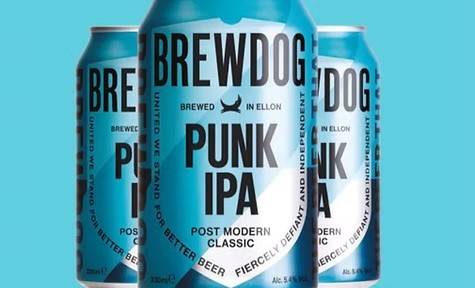
The company has also closed ten UK bars and faced delistings of its flagship Punk IPA from hundreds of pubs as operators trimmed ranges amid weaker consumer demand.
BrewDog said the decision would allow it to “sharpen focus” on areas where it sees stronger growth potential, signalling a renewed emphasis on its core beer business and higher-margin cocktail formats, which have gained traction as consumers trade down from on-trade spending.
For the wider drinks industry, the decision highlights the pressures facing independent and challenger brands in the UK spirits market, where oversupply, rising input costs and slowing premiumisation have squeezed margins, particularly for smaller producers without global scale.
The Ellon distillery, built in 2015 alongside BrewDog’s main brewery, was a key part of the company’s diversification strategy during the height of the UK gin boom. Its closure reflects a broader pullback by drinks groups reassessing non-core categories as capital costs rise and investor scrutiny increases.
BrewDog did not disclose how many roles could be affected and said it would manage a “responsible wind-down” of the spirits business, including fulfilling existing commitments linked to cask investments and customer perks.
Founded in 2007, BrewDog operates breweries and bars across Europe, the US and Asia, with around 60 venues in the UK.
The company has undergone leadership changes in recent years, with co-founder James Watt stepping down as chief executive in 2024 and fellow co-founder Martin Dickie leaving the business last year.
The retreat from spirits underscores a shift among drinks producers towards fewer, more scalable categories, as inflation, tighter consumer spending and retailer range rationalisation force brands to prioritise operational focus over diversification.


comments


Other categories
Recent Comments