


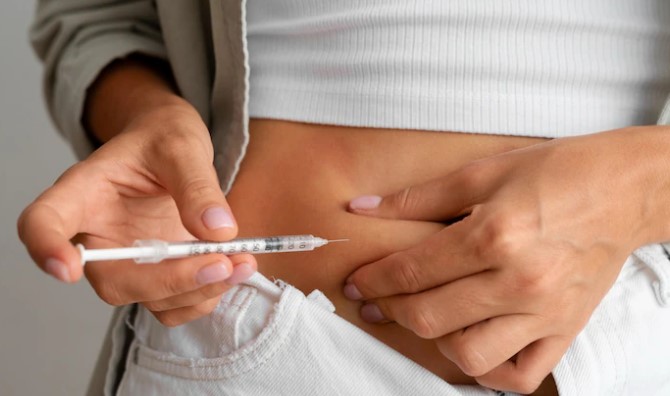
A new study presented at the American Academy of Orthopaedic Surgeons (AAOS) 2026 Annual Meeting suggests that weight-loss drugs may increase the risk of fractures and gout. Here is what you should know about this revelation and how to be careful.
In the world, where India ranks second when it comes to obesity, the skinny jab has become the most sought-after way to lose weight. From Hollywood red carpets to the pharmacies of South Delhi and Mumbai, GLP-1 receptor dispensers, better known by brand names like Ozempic, Wegovy, and their Indian generic counterparts, are being widely used for their metabolic health benefits. While these drugs are undeniably effective at shedding unwanted kilos and managing type 2 diabetes, a startling new body of research suggests that while the numbers on your scale are going down, the risks to your skeletal system might be going up.
A landmark study presented at the American Academy of Orthopaedic Surgeons (AAOS) 2026 Annual Meeting has dropped a new finding on the weight-loss industry: users of these medications may face a 30% higher risk of fractures and gout.
What The AAOS 2026 Study Reveals
The research was massive in scope, tracking over 146,000 patients over a five-year period. Researchers compared patients using GLP-1 drugs with those using other forms of weight management. The results were clear and concerning; the study found that:
- The study found a 30% increased risk of osteoporosis, which means that, compared to non-users, those taking weight-loss drugs were about one-third more likely to develop this condition, where bone density drops so low that bones become porous and break under minimal stress.
- Perhaps more surprising was a 12% increase in gout, a notoriously painful form of inflammatory arthritis caused by uric acid crystals in the joints.
- The risk of osteomalacia (the softening of bones, often due to severe vitamin D deficiency) actually doubled in the study group.
For the average Indian consumer, these aren't just statistics. They are a warning. In a country where vitamin D deficiency is already an undeclared epidemic affecting nearly 70-80% of the population, adding a medication that further stresses bone density can prove dangerous.
Why Is "Thin" Making People "Brittle"?
A drug for blood sugar could hurt your hip, and the answer lies in the biology of rapid weight loss. The "off-loading" effect on bones happens as they are living tissues that respond to stress. When you carry extra weight, your bones work hard to support you, which actually keeps them dense and strong. Here are the ways that losing weight may be making your bones brittle:
- When you lose weight rapidly, sometimes 15-20% of your body weight in a few months, your bones no longer feel that load. The body, in its infinite (but sometimes misguided) efficiency, begins to reabsorb bone minerals it thinks it no longer needs.
- The nutritional void that is created where GLP-1 drugs work by slowing down your stomach and telling your brain you aren't hungry. While this stops overeating, it often stops the right eating too.
- Many patients on these drugs suffer from "anorexia-like" symptoms where they struggle to consume enough protein, calcium, and magnesium. Without these building blocks, the body mines the bones to keep the rest of the systems running.
- Uric acid and the gout flare can happen where you can lose fat quickly; your body processes a high volume of ketones and metabolic byproducts.
- This can interfere with how your kidneys excrete uric acid.When uric acid levels spike, they settle in your joints, usually the big toe, leading to the excruciating pain of a gout attack.
The Indian Perspective: A Unique Challenge
In India, the surge in GLP-1 use is hitting a population with specific vulnerabilities. Indian bones are historically found to have lower mineral density compared to caucasian counterparts. Furthermore, the vegetarian paradox in India often leads to lower protein intake, which is essential for maintaining muscle mass during weight loss.
If you lose weight but lose your muscle and bone along with it, you aren't getting "healthy"; you are becoming skinny fat (normal weight obesity). This leaves you at a high risk for falls and fractures, which, for the elderly, can be life-altering.
How To Protect Yourself
If you are currently on a weight-loss protocol involving semaglutide or tirzepatide, do not panic, but do take action. Here are the ways you can protect yourself:
- Prioritise protein intake, where you should aim for 1.2 to 1.5 grams of protein per kilogram of your goal body weight. Lean into consuming naturally protein-rich foods such as paneer, Greek yoghurt, sattu, and sprouts.
- Lift; don't just walk, as cardio is great for the heart, but resistance training is non-negotiable for the bones. Lifting weights tells your body to make its bones stronger while increasing muscle strength.
- Supplement smartly by ensuring you are taking high-quality vitamin D3 and calcium supplements, but only after a blood test and under a doctor's supervision.
- Monitor uric acid, as mentioned in the National Institutes of Health, which says that if you have a history of joint pain, ask your doctor to monitor your serum uric acid levels during your weight-loss journey.
Don't just lose the weight; keep the strength! If you're on these medications, then talk to your doctor about a bone density (DEXA) scan to be careful and safe.


comments


Other categories
Recent Comments