


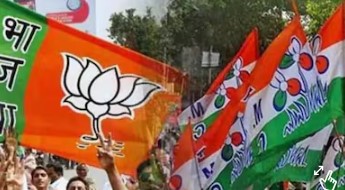
Apart from issues such as the politics of doles and freebies and the possibility of polarisation, the numbers emerging after SIR may play a crucial role in shaping Bengal’s polls
The battle over West Bengal’s voter rolls has quickly turned into a contest of perception over the past month and the numbers explain why the stakes are unusually high.
The revision exercise has led to the deletion of nearly 63 lakh names from the voter list. Senior officers of the Election Commission, involved in supervising the roll revision process, told News18 that about 55 lakh of these fall under the categories of dead, absent, or shifted voters. Sources in the commission also said that around 23 lakh of the deleted voters are recorded as deceased, but at least 8 per cent of them appeared to have voted in past elections. The figures present a picture that could point towards possible irregularities, including the presence of fake or invalid voters, they say.
At the same time, around 60 lakh entries remain under adjudication, meaning their eligibility is still being verified and majority of them will unlikely be able to vote this election. Nearly 2,000 appeals have already been filed by individuals whose names were deleted, seeking reconsideration, sources added. On paper, the exercise looks administrative. In politics, however, the scale itself turns it into a potential electoral variable. Political analysts say the figures become more significant when viewed alongside recent election results in the state.
In the 2021 election, Mamata Banerjee’s Trinamool Congress secured roughly 48 per cent vote share, while the BJP reached about 38 per cent. The difference in actual votes was roughly 59 lakh. Three years later, during the 2024 general election, the gap narrowed somewhat. The Trinamool Congress secured around 46 per cent vote share, while the BJP obtained about 39 per cent, translating into a margin of roughly 42 lakh votes. When placed alongside these margins, the scale of the current revision exercise naturally invites speculation and political interpretation.


comments


Other categories
Recent Comments