


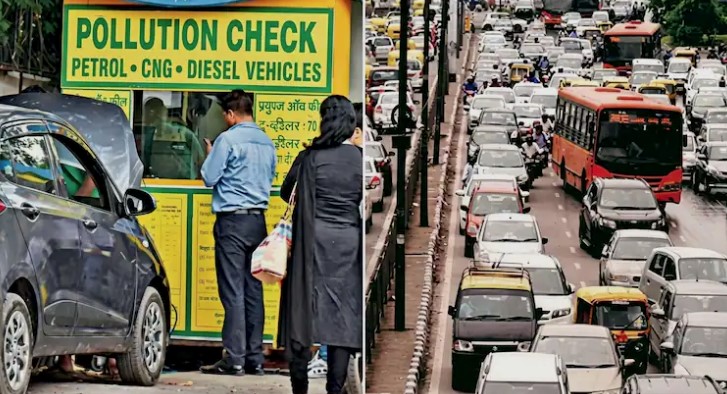
Vehicles between 6 and 10 years old will have to undergo more frequent emission checks, while older vehicles will be monitored more closely
New Delhi:
The Ministry of Road Transport and Highways (MoRTH) has proposed extending the validity of the Pollution Under Control Certificate (PUCC) for BS-VI-compliant private vehicles that are up to six years old from the current one year to three years. The proposal is part of a draft notification aimed at reducing the compliance burden for owners of cleaner vehicles.
The proposal introduces a graded renewal schedule based on both the vehicle's age and its emission standard, according to a PTI report.
Under the draft rules, BS-VI private vehicles up to six years old will require a fresh PUCC once every three years. Vehicles between six and ten years old will have to undergo more frequent emission checks, while older vehicles will continue to be monitored more closely. Meanwhile, BS-IV vehicles will continue to renew their PUCC every six months, and BS-I, BS-II and BS-III vehicles every three months.
The move reflects the significant improvement in emission technology that came with BS-VI vehicles.
Bharat Stage (BS) norms are India's emission standards that regulate pollutants such as carbon monoxide (CO), hydrocarbons (HC), nitrogen oxides (NOx) and particulate matter (PM). The standards are broadly aligned with European emission regulations and have been tightened over the years to curb vehicular pollution.
India implemented BS-IV nationwide in 2017. In a major policy shift, the country skipped BS-V altogether and moved directly to BS-VI from April 1, 2020. The transition required oil companies to supply ultra-low sulphur fuel containing just 10 parts per million (ppm) sulphur, compared with 50 ppm under BS-IV. The cleaner fuel, combined with advanced engine technology and exhaust treatment systems, significantly reduced emissions from new vehicles.
Compared with BS-IV vehicles, BS-VI models are designed to sharply cut emissions of nitrogen oxides and particulate matter, especially in diesel vehicles. These vehicles are also equipped with sophisticated onboard diagnostics and emission-control systems that continuously monitor engine performance and help keep pollution levels within prescribed limits.
The proposed change is expected to benefit millions of owners of newer private vehicles by reducing the frequency of mandatory emission tests without compromising environmental safeguards. However, the proposal is still at the draft stage. The government has invited public feedback before issuing the final notification.


comments


Other categories
Recent Comments